service@lencolo37.com |
+86 18027002837(WhatsApp)

Search for Products.
Introduction
In vacuum metallization, the chrome finish is often the most visible indicator of quality. Mirror effect, gloss, and metallic appearance can usually be evaluated immediately after production.
However, long-term performance is often determined much earlier — before metal deposition even begins.
A well-designed UV primer does far more than support adhesion. It creates the foundation for surface uniformity, optical performance, coating stability, and long-term durability. When the primer is not properly matched with the application, issues such as chrome peeling, edge lifting, gloss variation, and environmental failure may gradually appear over time.
For this reason, UV primer selection has become a critical factor in modern vacuum metallization systems.
UV Primer: The Structural Layer Behind Chrome Performance
In a typical vacuum metallization process, the metallic layer is extremely thin and cannot compensate for imperfections underneath.
Any variation in the primer surface may directly influence the final chrome appearance and reliability.
A properly engineered UV primer contributes to:
Surface smoothness before metallization
Uniform metal deposition
Stable interface performance
Controlled curing behavior
Long-term appearance retention
Rather than functioning as a simple coating layer, the primer acts as an engineering layer that supports the entire decorative system.
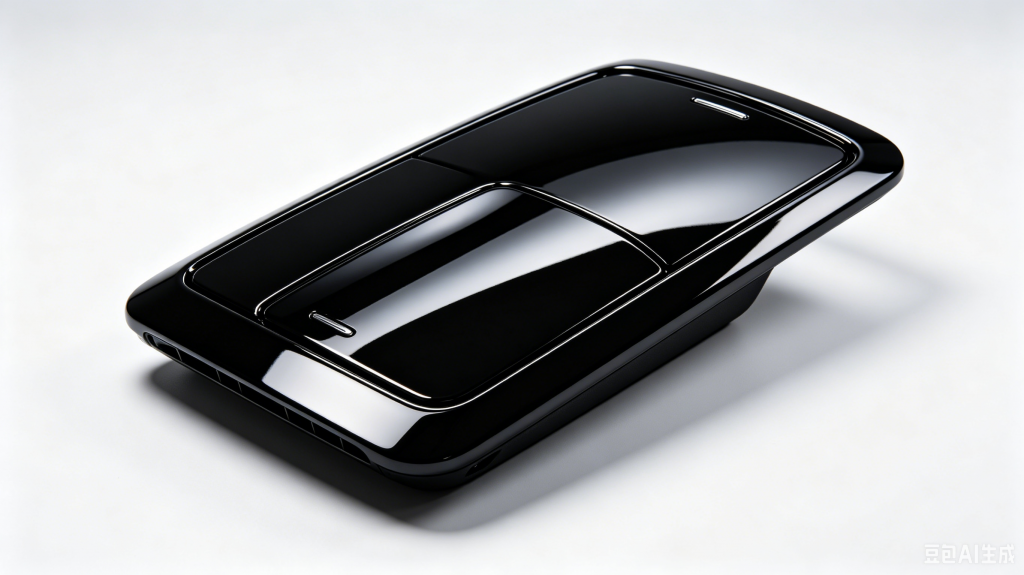
Surface Quality Determines Final Chrome Appearance
During vacuum metallization, deposited metal replicates the microscopic condition of the coated surface.
As a result, even subtle differences in primer formation may become visible after metallization.
Optimized primer surfaces can help achieve:
✓ Higher mirror clarity
✓ Enhanced metallic brightness
✓ Better image sharpness
✓ Greater visual depth
In contrast, insufficient leveling or surface irregularities may result in:
Reduced reflectivity
Haze formation
Distorted reflection
Inconsistent metallic appearance
For decorative applications, appearance quality often starts with surface preparation rather than metal deposition itself.
Controlled Curing Supports Long-Term Adhesion
Fast curing is one of the major advantages of UV technology, but curing speed alone does not guarantee coating durability.
During polymerization, internal stress may develop within the coating layer. If not properly controlled, this stress can gradually affect interface stability after metallization.
Well-balanced UV primer systems typically provide:
Improved interface integrity
Better resistance to aging and humidity
More stable appearance retention
Reduced risk of long-term delamination
Achieving durable chrome performance is not simply about curing faster — it is about curing more effectively.
Primer Selection Should Match the Substrate
Different plastic substrates require different coating strategies.
For example:
ABS
Require balanced flexibility, appearance quality, and stable adhesion.
PMMA
Requires excellent transparency with controlled curing behavior.
PC
Requires better thermal stability and internal stress management.
Because each substrate responds differently during coating and curing, selecting a substrate-specific primer often leads to more reliable production performance.
Meeting New Expectations in Decorative Metallization
Today’s decorative components are expected to deliver more than appearance alone.
Manufacturers increasingly demand:
Premium chrome finishes
Long-term adhesion reliability
Improved scratch resistance
Stable mass production
Better environmental durability
As performance requirements continue to increase, UV primer design is becoming an increasingly important part of metallization engineering.
Conclusion
Successful vacuum metallization begins long before the metal layer is deposited.
UV primer selection directly influences chrome adhesion, appearance consistency, surface quality, and long-term durability.
By optimizing primer design according to substrate characteristics and processing requirements, manufacturers can achieve more stable production and more reliable decorative performance.
In modern metallization applications, better chrome finishes start with the right UV foundation.
#UVBasecoat #VacuumMetallization #ChromeAdhesion #UVMetallization #CoatingMetallizedPlastic #DecorativeChromeCoating #VacuumCoatingResin #UVBasecoatforPlastic #AutomotiveInterior #CosmeticPackaging #PlasticDecoration #HighGlossFinish #MirrorEffectCoating #ConsumerElectronicsCoating

2025-01-06

2022-08-03