service@lencolo37.com |
+86 18027002837(WhatsApp)

Search for Products.
Vacuum Metallization is a surface treatment technology that applies a thin metallic coating to plastic parts under high-vacuum conditions. Through physical or chemical processes, metal materials are vaporized into microscopic particles and deposited onto the substrate, forming a uniform and durable metallic film. This process delivers a premium metal-like appearance while maintaining the lightweight and cost advantages of plastic.
Vacuum metallization can be classified into different technologies based on coating structure and functionality. The two most common types are PVD and NCVM, which serve different industrial needs.
PVD, or Physical Vapor Deposition, is a coating process in which solid metal targets are transformed into vapor in a vacuum chamber and deposited onto product surfaces. The resulting coating is typically conductive and highly durable, making it suitable for functional and decorative applications in electronics, automotive, and industrial products.
NCVM, or Non-Conductive Vacuum Metallization, creates a discontinuous metallic layer that does not conduct electricity. This technology is widely used in smart devices and electronic housings, as it allows wireless signals to pass through while maintaining a high-end metallic appearance.
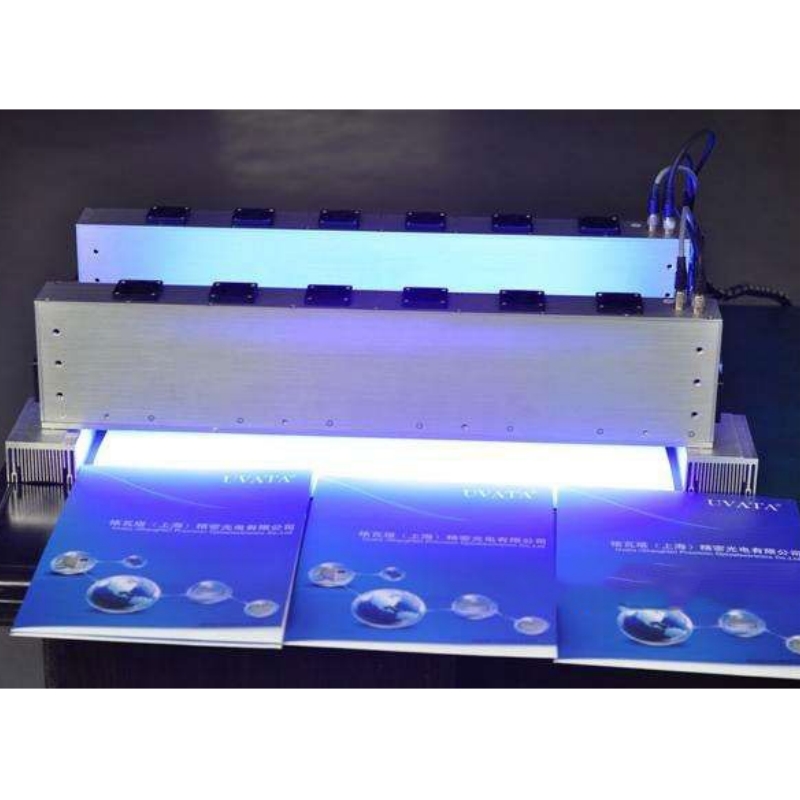
UV vacuum metallization coatings are developed from advanced UV-curable plastic coating systems. By combining vacuum deposition with ultraviolet curing technology, this process ensures fast curing, strong adhesion, and excellent surface quality. It is ideal for high-volume manufacturing with strict environmental standards.
The typical UV vacuum metallization process includes primer application, vacuum deposition, topcoat spraying, and UV curing. Each layer plays a critical role in enhancing adhesion, durability, and appearance, resulting in a stable and long-lasting metallic finish.
For ABS and ABS-PC materials, the process begins with surface treatment and primer coating, followed by vacuum deposition and UV-cured topcoats. This method provides strong interlayer adhesion, high scratch resistance, and excellent chemical stability. It is widely used for cosmetic packaging, craft products, and electronic housings.
PP materials have low surface tension, which makes coating adhesion difficult. Specialized surface treatment and primer systems are used to improve bonding strength before vacuum metallization. This process enables PP products to achieve strong impact resistance, good chemical durability, and cost-efficient production.
For automotive reflectors made of PC or BMC materials, high-temperature-resistant coating systems are applied. After vacuum deposition, special heat-resistant topcoats are used to ensure long-term stability under extreme operating conditions. This process guarantees consistent optical performance and durability.
TPU vacuum metallization focuses on flexibility and elasticity. The coating system is designed to maintain adhesion and integrity even when the product is bent or stretched. This makes it ideal for sports footwear components and flexible decorative parts.
Vacuum metallized plastic products offer the visual quality of solid metal while remaining lightweight and economical. This technology reduces metal consumption, lowers production costs, and improves design flexibility. It also enhances product value and brand image in competitive markets.
Vacuum metallization is widely used in cosmetic bottles, packaging boxes, automotive lighting components, wine bottle caps, mobile phone buttons, watch cases, and consumer electronics. Its versatility makes it suitable for both decorative and functional applications.
Two main technologies are used in vacuum metallization: thermal evaporation and magnetron sputtering. Thermal evaporation is suitable for high-efficiency mass production, while magnetron sputtering provides superior coating density and uniformity for demanding applications.
A wide range of metals can be used in vacuum metallization, including aluminum, nickel, copper, chromium, silver, gold, titanium, and zinc. The choice of material depends on product requirements such as appearance, conductivity, corrosion resistance, and durability.
Aluminum is the most commonly used metal in vacuum metallization due to its low evaporation temperature, strong adhesion to plastics, bright metallic gloss, and excellent UV shielding properties. It is also cost-effective and offers good electrical conductivity at very thin coating thicknesses.
UV vacuum metallization systems consume less energy and generate fewer VOC emissions compared to traditional thermal curing coatings. This makes them more environmentally friendly while supporting high-speed, high-volume manufacturing.
With advanced equipment, mature coating systems, and strict quality control, professional vacuum metallization services deliver stable, high-quality surface finishing solutions. These solutions help manufacturers enhance product performance, appearance, and market competitiveness.
#VacuumMetallization#VacuumCoating #VMTechnology #PVDCoating #NCVM #UVCoating #PlasticMetallization #SurfaceFinishing #DecorativeCoating #FunctionalCoating #MetalizedPlastic #PlasticPlating #VacuumDeposition #ThinFilmCoating #IndustrialCoating #CosmeticPackaging #AutomotiveParts #ElectronicsHousing #HighGlossFinish #MetallicFinish

2025-01-06

2022-08-03